
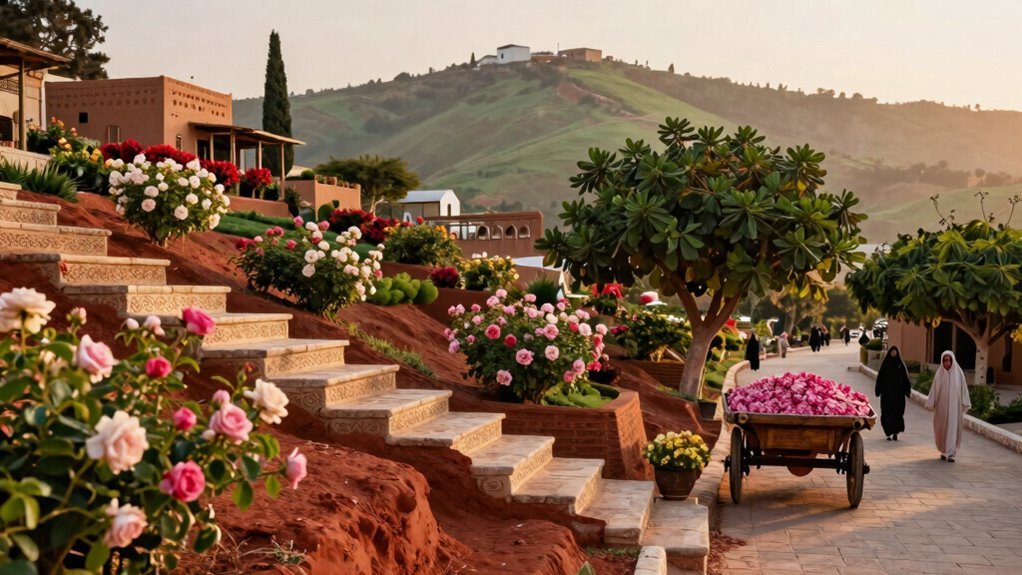

You’ll breathe cool, rose‑scented mountain air as you wander dawn‑lit terraces where hand‑picked Damask roses steam into copper stills, then stroll coral‑limestone alleys of Al‑Balad under carved wooden balconies and lively souqs.
Ride the Al Hada cable car for sweeping valley views, hike shaded trails to waterfalls and volcanic craters, or sample distilled rosewater and local honey in bustling markets.
Keep going to uncover precise timings, market tips and the best farm‑tour logistics.
Key Takeaways
- Stroll historic Al-Balad to see Hijazi architecture, palaces, and bustling souqs selling spices, rosewater, and handicrafts.
- Tour Taif rose farms at dawn and visit distilleries to sample rosewater, oils, and artisanal rose products.
- Ride the Al Hada cable car for panoramic mountain views, terraced rose fields, and sunset photography.
- Hike Taif National Park or Al Shafa trails for waterfalls, cypress groves, wildlife, and scenic overlooks.
- Shop Taif and Al Shafa markets for fresh fruit, honey, perfumes, natural oils, and traditional textiles.
Top Highlights: What to Do in Taif (Quick List)
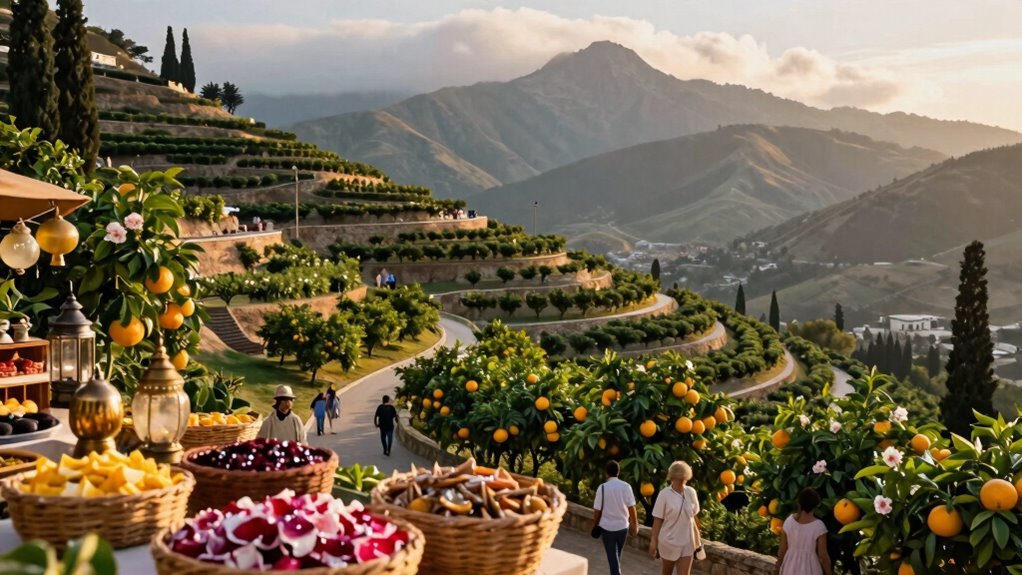
If you arrive in Taif hungry for history, scent, and mountain air, start by wandering Al Balad’s restored alleys where Hijazi wood balconies creak and the souk’s coffee steam mixes with rose perfume; then balance the urban buzz with a walk through Al Rudaf Park’s granite outcrops and lakes, a rose-farm tour to smell the distillations at dawn, and a sunset cable-car ride up Al Hada for sweeping views that sharpen as the light cools. You can also stroll a scenic waterfront promenade for peaceful reflection and sunset photography Red Sea Corniche.
You’ll linger at Shubra Palace’s marble halls and Al-Sharif Museum’s wooden gates, trace Kaaki and Jabra palaces’ carved lines, and browse Barhat Al-Qazzaz and Metal Village for crafts. Don’t miss Souq Okaz events, a Sunset Promenade, and hands-on Culinary Workshops at rose factories. Taif also sits about 1,800 meters on the slopes of the Sarawat Mountains, making it a cool summer retreat.
Don’t-Miss Natural Sights Near Taif
After roaming Taif’s fragrant souks and shaded palaces, step outward where the mountains, craters, and valleys do the talking — you’ll feel the air cool, smell rosemary and rose oil carried on wind, and see landscapes that change with every turn.
Drive to Al Wahbah Crater for a sunrise spectacle and geological drama; paved access makes it an effortless, unforgettable stop. Many visitors combine crater visits with nearby nature reserves to enjoy scenic viewpoints and wildlife.
Hike Taif National Park’s trails among cypress and wildflowers, pause at springs and waterfalls, and use its elevated paths as scenic viewpoints.
Explore Al Shafa and Mount Al Hada for sweeping panoramas, cable car rides, and playful monkeys.
Spend dawn in Saiysad National Park for quiet trails, camping, and excellent birdwatching spots near dams and valleys. Rose fields are especially stunning in spring.
Taif Rose Farms & Distilleries
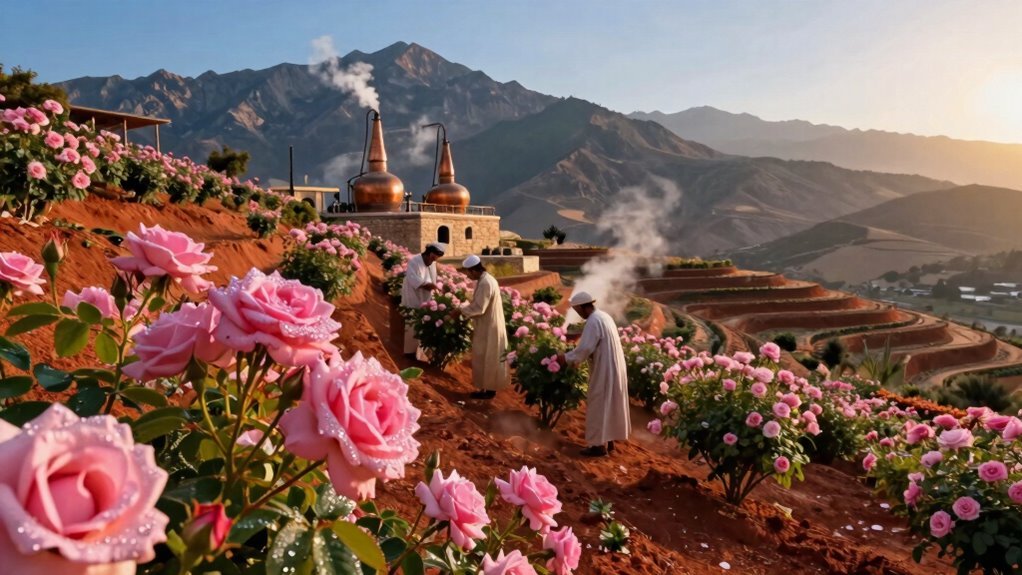
When you step onto a Taif rose farm at dawn, the air hits you with a cool, honeyed perfume and petals glitter with dew like tiny, fragrant coins; families have been harvesting these hills for centuries, hand-plucking blooms as steam rises from nearby copper stills and the delicate oil of rosa damascena is coaxed into existence. Many visitors combine rose farm tours with regional markets and cultural sites to get a fuller picture of local life and trade cultural discoveries. You’ll walk among 1.14 million shrubs across Al-Hada, Al-Shafa and Sarawat slopes, watch artisans perform rose rituals and learn why one million roses yield a single litre of oil. Visitor-friendly distilleries like Al Gadhi and Rashid Al Quraish run artisan distillation day and night during the 45-day season. Guides show centuries-old techniques, explain yield scarcity, and invite you to sample rose water and locally made products. Watch the harvest start at dawn between 4:00 and 7:00 AM when workers pick petals by hand at dawn.
Historic Al-Balad & Cultural Sites
When you step into Al-Balad, you’ll feel the cool, rough stone under your fingers and hear vendors calling out from the narrow alleys—like the city’s past is brushing right up against today. The area also offers nearby attractions and seasonal comfort similar to spring and autumn in other historic cities, making visits especially pleasant in spring months.
Walk the Historic Al-Balad route to take in the layered architecture and snap photos of sunlit courtyards tucked between busy shops.
Then wander through Souq Al-Balad’s stalls, where spices, textiles, and carved souvenirs fill the air with color and scent—sure to tempt you to shop and soak up the local vibe. Visitors can reflect on the city’s moral and social history, remembering that people have always faced a choice between easy decline and a steep ascent toward betterment.
Historic Al-Balad Stroll
Step into Al-Balad and you’ll be enveloped by cedar-scented air and the shadow-play of carved rawasheen balconies as coral-limestone tower houses lean over narrow alleys, their weathered wood and stone whispering centuries of Red Sea trade and pilgrim routes.
You’ll trace coral masonry, study Ottoman-style gates, and hear community narratives about merchants and pilgrims.
Restoration techniques reveal repaired beams and replaced coral blocks, and you’ll sense living heritage in museums and mosques nearby.
Al-Balad was recently recognized on the global stage when it was added to the UNESCO World Heritage list.
Walk slowly: wooden latticework filters light, courtyards hold the smell of resin, and minaret calls echo across the lanes.
Use this quick reference as you explore.
| What | Feel | Tip |
|---|---|---|
| Rawasheen | Cool shadow | Look up |
| Gates | Solid stone | Photograph |
| Museums | Quiet | Respect visiting hours |
Many traditional markets in the region act as living museums and preserve crafts like weaving and calligraphy, so seek out local artisans demonstrating heritage skills as you stroll.
Traditional Market Exploration
Although the lanes around Al-Balad and Al Shafa teem with bargaining voices and the clink of stacked crates, you’ll first be struck by scent: rosewater drifting from Taif stalls, crushed spices, and the green, cool breath of mountain fruit.
You wander Taif Central Market on Al Sadad Street for fresh figs, pomegranates and the famed roses; Al Shafa’s fruit market offers strawberries and cherries picked at dawn.
In Al Balad Market textiles and perfumes glint under warm lights while friendly vendors invite bargaining and stories.
Visit Taif Souk for natural oils and traditional attire, and catch Souq Okaz’s living history and handicrafts.
Pause in artisan workshops to watch makers and savor these layered sensory experiences.
Souq Okaz, located east of Taif city center, is revived as a cultural festival showcasing traditional performances and poetry competitions.
Many visitors also use email to contact local tour operators and support services, often via support@araftrip.com, for questions or booking assistance.
Taif Markets & Local Specialties to Buy
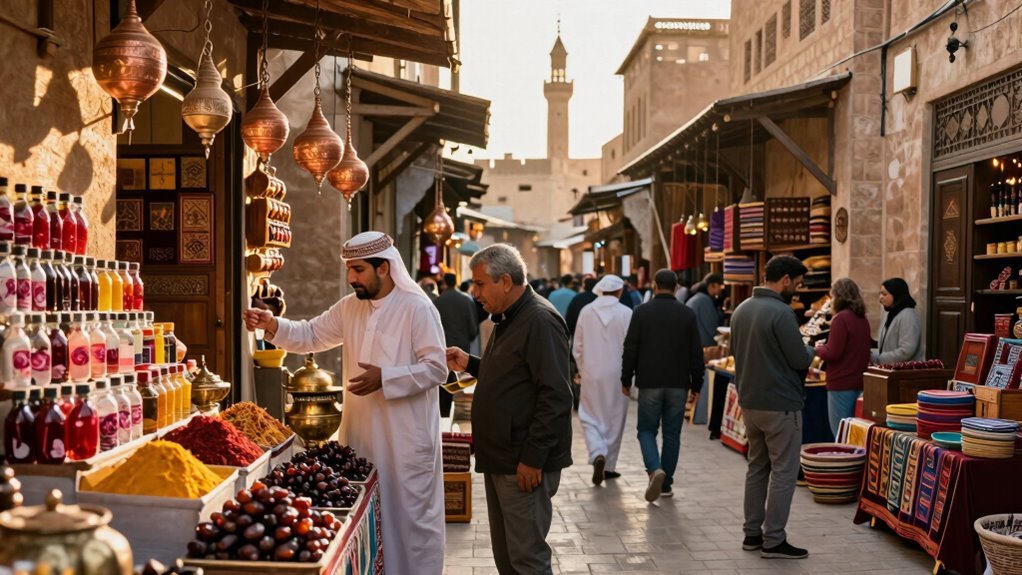
Often you’ll find Taif’s markets alive with color and scent the moment you step onto the main streets: stalls piled high with ruby pomegranates and glossy figs, baskets of strawberries and cherries from the cool mountains, and rows of glass bottles filled with amber rosewater distilled from petals picked at dawn.
You wander Al Sadad’s bustle, inhale rosewater and spice, haggle for silver trinkets in Souq Al-Balad, and seek rose souvenirs and artisan soaps scented with Taif roses.
Al Shafa’s mud-brick alleys pulse with textiles and perfumers.
At AlShafa Fruit Market, fruit smells sharp and sweet.
Buy honey, dates, and a bottle of rosewater—perfect gifts that carry Taif’s scent home.
Many visitors also explore modern shopping centers like Tera Mall for a mix of local and international brands.
For a mix of local crafts and modern amenities visitors often compare Taif’s shopping scene to UAE malls with extensive family entertainment and dining options.
| Market | Specialty |
|---|---|
| Taif Central | Roses, produce |
| Al Balad | Textiles, jewelry |
| Al Shafa Fruit | Strawberries, cherries |
| Souk Al-Halal | Handicrafts, delicacies |
Taif Outdoor Adventures: Hikes, Crater Tours & Cable Car
Against a backdrop of cool, rocky ridges and citrus-scented breezes, Taif’s outdoor adventures invite you to trade city streets for mountain air, panoramic craters and cable car panoramas.
You’ll hike Al-Makhadah’s herb-scented paths, spot monkeys among fruit trees, and taste local honey and roses as you pause for mountain photography. The shift from urban bustle to fresh mountain air brings a soothing sense of calm like a natural escape found near major cities northwest of their cores.
At Al-Wa’abah, the giant crater’s rim reveals stark volcanic shapes and a geology you can almost touch; spring and autumn light sharpen textures. The Al-Waabah Crater is Saudi Arabia’s largest volcanic crater, a dramatic stop for geology enthusiasts.
Ride the Al-Hada cable car for 20 minutes of sweeping valley and desert views, then dine at the mountaintop restaurant.
In Al-Shafa and Al-Hada mountains you’ll find cool tranquility, seasonal markets and marked trails—so plan for trail safety, water, sturdy shoes and respect for wildlife.
Taif Family & Modern Attractions
You’ll spot roaring lions and playful dolphins at Taif Zoo — shaded paths and animal calls make learning feel lively for kids.
After that, wander bright, air-conditioned malls like Tera Mall and Taif City Walk for snacks, souvenirs, and mountain views. For a touch of luxury and comfort during your transfers, consider private transport options like high-end 4x4s for a more relaxed arrival and departure experience.
Top it off with a cable car ride over the terraces for a cool breeze and sweeping panoramas the whole family will remember. A nearby park with wide green areas and many lush trees is perfect for a picnic and relaxed playtime Arruddaf Park Taif.
Taif Zoo Visit
Wonder and curiosity greet you at Taif Zoo, a compact but lively family spot north of Arruddaf Park where the scent of grass and the low rumble of distant roars blend with children’s laughter.
You’ll notice clear attention to animal welfare in natural-like enclosures housing lions, tigers, Arabian oryx and quirky sights like a double-humped camel or five-legged buffalo.
Paths are short and shaded, with accessibility features such as ramps, golf carts for hire and plentiful benches for resting between exhibits.
Kids flock to the petting farm and dolphin shows at 5 PM, while informative signs and train tours explain species and habitats.
Picnic lawns, cafes and clean facilities make this affordable SAR 10 entry a relaxed, educational family outing.
The zoo also features elephant and giraffe enclosures.
Many visitors also arrange scenic rail day trips to nearby mountain and lake areas for a broader nature experience.
Family-Friendly Malls
Often bustling with families and the scent of fresh coffee, Taif’s malls feel less like shopping centers and more like cool, communal living rooms where modern retail meets local culture.
You’ll wander sunlit corridors in Tera Mall, hearing children’s laughter from the playland and VR booths while boutiques and Danube Mart hum nearby. Tera Mall’s strategic, easily accessible location makes it simple to combine a visit with other city activities prime central location.
Jouri Mall’s fountains and upscale shops invite relaxed strolling, with an indoor amusement park and cinema for wet afternoons.
Taif Heart Mall pulses with energy; skating, bowling and a bright children’s center anchor its three levels.
For planning, note opening hours and clean facilities; every mall balances retail, kids activities and varied dining options so you can shop, eat and unwind with family comfort.
- Tera Mall: playland, VR, cafés
- Jouri Mall: amusement park, cinema
- Taif Heart Mall: skating, bowling
- Practical: hours, facilities, brands
Cable Car Rides
Perched on the Al Hada ring road, the Taif cable car lifts you over wind-scoured cliffs and terraced rose fields, the cabins rattling gently as panoramic windows frame rocky slopes, distant valleys and the shimmer of Al Kar Village below.
You’ll board at Al Hada Mountain foot and drift 1,550 meters toward Al Kar Tourist Village; a roundtrip takes about 40 minutes, each one-way roughly 15.
The mountain breeze smells of herbs and roses, while wild monkeys perch on rocky ledges. Plan around sunset timings for glow-lit panoramas and use photography tips: shoot wide, stabilize against cabin sway, and expose for highlights.
Tickets vary by season; parking’s available at the Telefric station near Shafa Mountains. The cabins can carry up to 40 passengers so space may be limited during peak times.
When to Visit: Seasons, Festivals & Rose Harvest Timing
If you time your trip around Taif’s seasonal rhythm, you’ll feel the city change from crisp, clear winter days perfect for mountain hikes to a heady, pink-scented spring when rose farms and distilleries flood the air with fragrance.
Winter (Nov–Feb) are the best months for outdoor archaeology and hiking—cool, dry air, 8–22°C, occasional rain that freshens the trails. The official tourist season runs from October to March, highlighted by the Riyadh Season which draws many visitors.
Spring (Mar–Apr) brings roses: mid-March to mid-April is peak bloom and the Taif Rose Festival; hills blush pink and distilleries steam.
Summer (May–Oct) turns harsh; avoid long outdoor excursions.
Short autumn offers mild relief and fewer crowds.
Travel tips: plan around festivals, book rose-farm tours early, pack layered clothing for cool nights.
- Winter: hiking
- Spring: roses
- Summer: caution
- Autumn: shoulder season
Getting Around Taif: Transport, Timing & Sample Itineraries
After the rose-scented mornings and cool mountain hikes, you’ll want a clear plan for getting around Taif so you can soak up vistas and markets without wasting time.
Walk the shady souk lanes, then catch one of 58 modern Taif buses running 5:30 AM–11:30 PM across nine routes and 184 stops, listening to brakes sigh and engines hum as orchards slip by.
Respect bus etiquette: give up seats, queue calmly, and tap your card (valid one year).
For airport arrivals use Uber, taxis, or rental cars; SAPTCO links you to Riyadh hourly. Note there’s no railway; drives from Jeddah take about two hours.
The buses boast accessibility features for special needs, and the Taif Bus app helps you time trips and build neat sample itineraries. The service is expected to benefit more than two million people annually.
Frequently Asked Questions
Are There Guided Tours in English for Rose Farm Distillation Demonstrations?
Yes you can join English tours and Distillation workshops that show rose oil crafting up close.
Morning light spills over dew-bright petals as an English-speaking guide walks you through fields and steam-filled copper alembics; you’ll smell warm, green floral steam and watch oil bead like liquid gold.
Tours run by TourHQ, ROAM and local factories include guided demos, tea tasting, shopping, and pickup from Taif or Jeddah.
Is Taif Safe for Solo Female Travelers at Night?
Yes — you’ll generally find Taif safe for solo female travelers at night. Streets feel calm, sounds are muted, and city lights make evening walks doable when you respect cultural norms.
You’ll notice polite distance, few confrontations, and routine police presence that eases concerns. Use common-sense solo safety: stick to populated areas, dress modestly, and choose well-lit cafes or hotels; your senses and situational awareness will serve you well.
What Are Tipping Customs in Taif Restaurants and for Tour Guides?
You’ll follow Saudi norms: cash tips are preferred and you’ll leave 10–15% in sit-down restaurants if no service charge appears on the receipt.
You’ll often just round up or leave 2–5 SAR at cafés or counter service.
For tour guides and private drivers, you’ll typically offer 50–100 SAR and 20–50 SAR per day respectively.
Service expectations are modest; don’t double-tip if a service charge is already included.
Are There Accommodations Near Al Wahbah Crater or Only in Taif City?
You’ll mostly find accommodations in Taif city, not at the crater, but don’t let that rain on your parade.
You’ll drive 2–3 hours from Taif hotels to reach Al Wahbah Crater, then feel the dry wind, spot crater viewpoints, and set up desert camping nearby.
Stay in Taif for comfort, amenities and shorter trips; carry water, warm layers and a torch so the crater’s textures and silence hit you full on.
Can Visitors Bring Back Rosewater and Plant Cuttings Across Borders?
Yes you can bring rosewater home, but follow rosewater regulations: pack vacuum‑sealed bottles in checked luggage or keep 100ml containers in carry‑on, declare over 5kg or SAR 500 value.
Don’t try plant cuttings — plant quarantine rules forbid uncertified live material.
The scented, rosy steam and crushed petals will remind you, but customs and phytosanitary certificates are strict; declare honestly or risk fines, confiscation, or travel hassles.
Conclusion
So you’ve seen Taif’s roses, mountains and markets, congratulations, you’ve survived fragrance overload and the occasional overly friendly camel stare. Bask in cool highland air, sip rose syrup like it’s a civic duty, and pretend ancient souks aren’t secretly just chic antique malls.
Take the cable car if you like heights or dramatic selfies. And remember: if you leave without buying at least one rose oil bottle, did you even visit?
0 Comment