
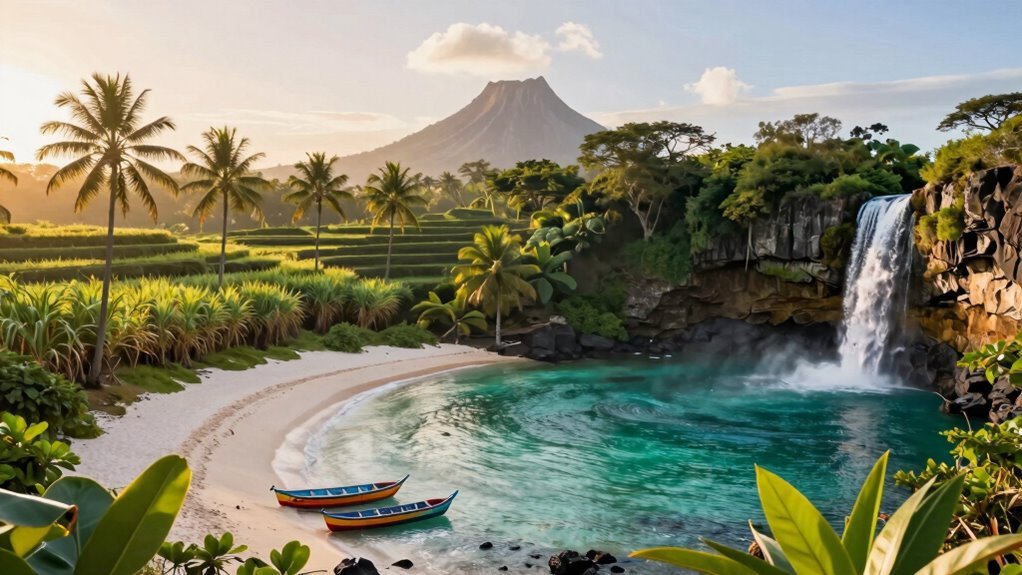

You’ll fall for Mauritius’s dramatic contrasts: hike Le Morne Brabant’s cliffed summit for reef panoramas and heritage, gaze at Chamarel’s rainbow dunes and thundering waterfall, then snorkel Blue Bay’s coral gardens.
Explore Black River Gorges’ ebony forests and birdlife, meet giant tortoises at La Vanille, sip tea at Bois Chéri and taste island rum.
Relax on Flic en Flac or Belle Mare’s powdery beaches and chase ziplines or dives, keep going to uncover practical tips and routes.
Key Takeaways
- Visit Chamarel for its dramatic 83m waterfall and the surreal Seven Coloured Earths viewpoint.
- Hike Le Morne Brabant for panoramic ocean views and to honor its UNESCO cultural heritage.
- Explore Black River Gorges National Park for endemic birds, ancient forests, and extensive hiking trails.
- Snorkel or take a glass‑bottom boat at Blue Bay Marine Park to see vibrant coral gardens and reef fish.
- Relax on Belle Mare or Flic en Flac beaches for powdery sands, calm lagoons, and memorable sunrises or sunsets.
Quick Picks: Top Places to Visit in Mauritius
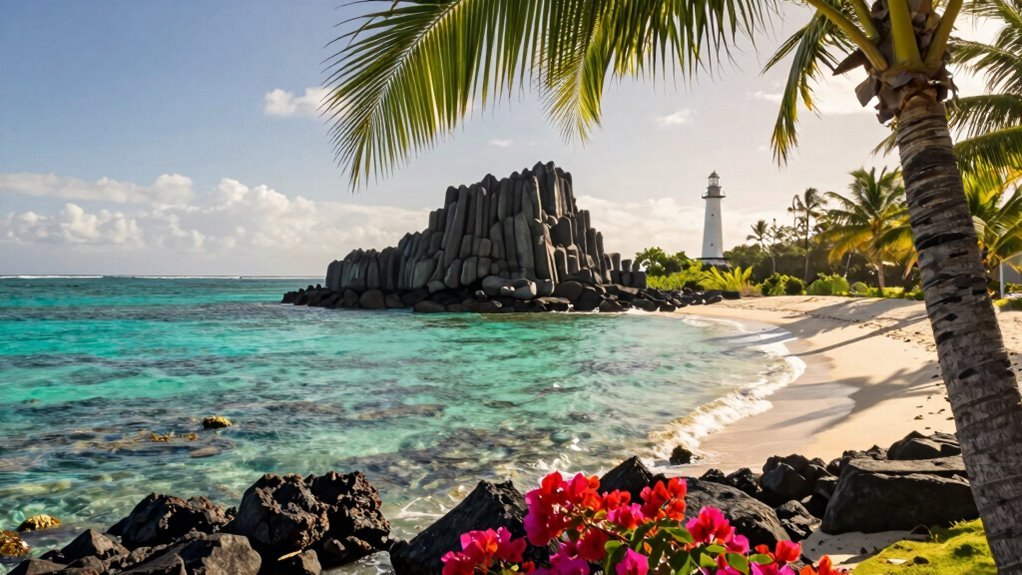
When you visit Mauritius, don’t miss these highlights that pack the island’s best scenery, history, and adventure into a short trip: stand at the rim of the 83‑meter Chamarel Waterfall and then stroll across the surreal Seven Colored Earths, hike Le Morne Brabant for sweeping ocean and reef views and a moving slave‑history site, spot endemic birds in Black River Gorges National Park, taste rum at a plantation museum and sip tea at Bois Cheri, unwind on Flic en Flac or Belle Mare beaches, and cap a day with snorkeling around Le Morne’s coral reefs or an adrenaline zipline at La Vallée des Couleurs. Also consider a glass‑bottom boat tour to explore the vibrant coral gardens of Blue Bay Marine Park.
Then plunge into Port Louis: savor local cuisine at bustling night markets, follow vibrant street art through alleys, and time your trip for rich cultural festivals that animate stages, temples, and beaches.
Chamarel & Seven Coloured Earths : Why and How
After exploring Port Louis and the island’s highlights, head southwest to Chamarel, where Mauritius shows one of its most surreal scenes: the Seven Coloured Earths. You’ll stand before rippled dunes streaked in red, brown, violet, green, blue, purple and yellow—colors born from unique soil composition and volcanic minerals.
After Port Louis, head southwest to Chamarel to behold the surreal Seven Coloured Earths—volcanic dunes rippled in vivid hues.
Sunlight and contour create optical illusions that make stripes seem to shift as you move. Don’t miss the viewpoint and interpretive panels that explain formation and conservation.
- Observe layers up close but stay on paths
- Snap photos from multiple angles for shifting hues
- Visit at different times for changing light
- Combine with local craft stalls for souvenirs
This site convinces you that geology can feel like art. Many visitors also pair the visit with sunset watching at nearby viewpoints to enjoy striking colors as daylight fades.
Waterfalls: Chamarel Falls and Tamarind 7 Cascades
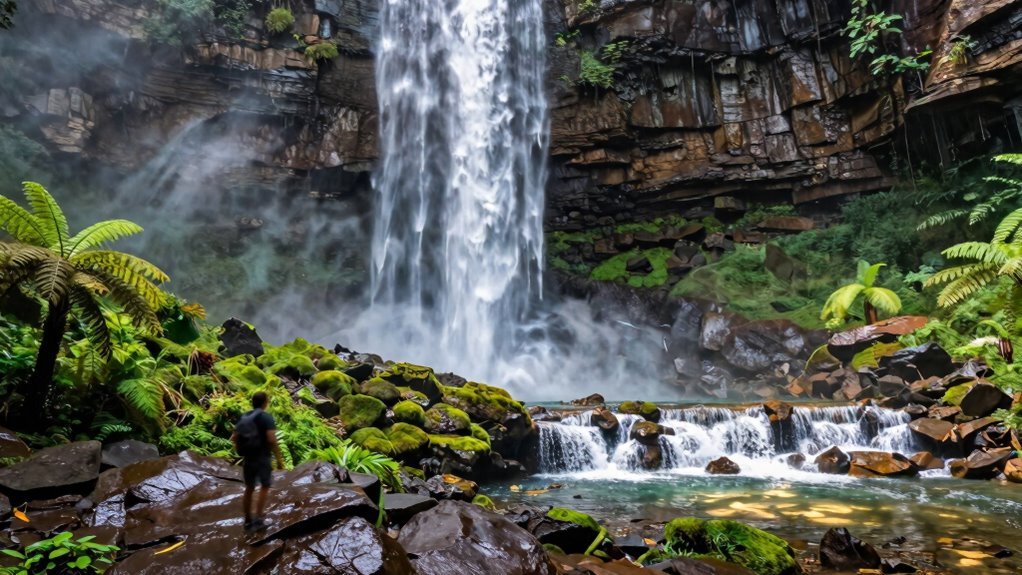
Set amid lush highlands, Chamarel Falls and the Tamarind Seven Cascades deliver two very different but equally thrilling waterfall experiences you won’t want to miss.
You’ll stand before Chamarel’s 83-meter curtain, feeling mist on your face as sunlight slices the spray; its seasonal flow peaks after rain, so plan accordingly.
Tamarind’s seven tiers invite you to hike, swim in hidden pools, and explore rugged channels—bring sturdy shoes.
Use photography tips: shoot slow shutter for silk effects, frame with nearby foliage, and visit golden hour for color.
Both sites reward sensory curiosity and adventurous spirit.
Compare features below to pick your tempo and pack the right gear for safe, unforgettable moments.
Both falls are best combined with other regional highlights like visiting mountain railways or scenic lakes for a fuller outdoor itinerary.
| Site | Highlight |
|---|---|
| Chamarel Falls | Dramatic single drop, easy viewpoint |
| Tamarind 7 Cascades | Multi-level hikes, secluded pools |
Le Morne Brabant : Mountain, Heritage & Rare Flora
Stand beneath the sheer basalt slopes of Le Morne Brabant and you’ll feel the hush of a place that once sheltered runaway slaves — its cliffs holding a solemn World Heritage story.
Hike up to the summit for sweeping ocean views and try to imagine the lives that shaped this sacred landscape.
And don’t forget to look for the tiny Trochetia boutoniana, Mauritius’s rare national flower that grows here; spotting it really connects you to the island’s unique natural and cultural legacy.
Le Morne History
When you climb Le Morne Brabant, the jagged silhouette that rises 556 meters from the southwest coast, you walk through a living monument where rugged cliffs meet sugar-white beaches and the Indian Ocean stretches glittering below.
The mountain served as a slave refuge, its caves and ledges sheltering runaways who carved a story of resistance into the rock.
You’ll feel the weight of cultural memory in wind-whipped grasses and weathered stone; UNESCO protected status underscores its universal value.
Visit purposeful memorials and guided trails that narrate escape, survival, and loss.
Remembering here is active — you learn, reflect, and honor.
- listen to oral histories
- explore secret caves
- follow interpretive trails
- respect sacred sites
Winter months (November–March) offer mild, sunny weather with average temperatures of 15°C–25°C (59°F–77°F), ideal for outdoor activities and visiting Dubai Miracle Garden.
Trochetia Boutoniana
Although you may come for the sweeping ocean views and rugged cliffs of Le Morne Brabant, you’ll be rewarded by an even rarer sight tucked among its slopes: the Trochetia boutoniana, Mauritius’s national flower.
You’ll spot vivid red and white petals glowing against granite and endemic shrubs, a fragile splash of color that embodies floral symbolism for resilience and freedom.
Guided walks let you observe without disturbing this restricted habitat, while conservation genetics research informs breeding and reintroduction efforts to secure its future.
When you pause to photograph the blossom, remember your presence matters: follow trail rules, support local conservation initiatives, and learn the plant’s story.
Seeing Trochetia boutoniana here links natural beauty, heritage, and active stewardship.
Spring is often the best time to see peak blooms and pleasant hiking conditions on Le Morne spring (April–May) recommended.
Best Beaches in Mauritius: Flic En Flac & Belle Mare
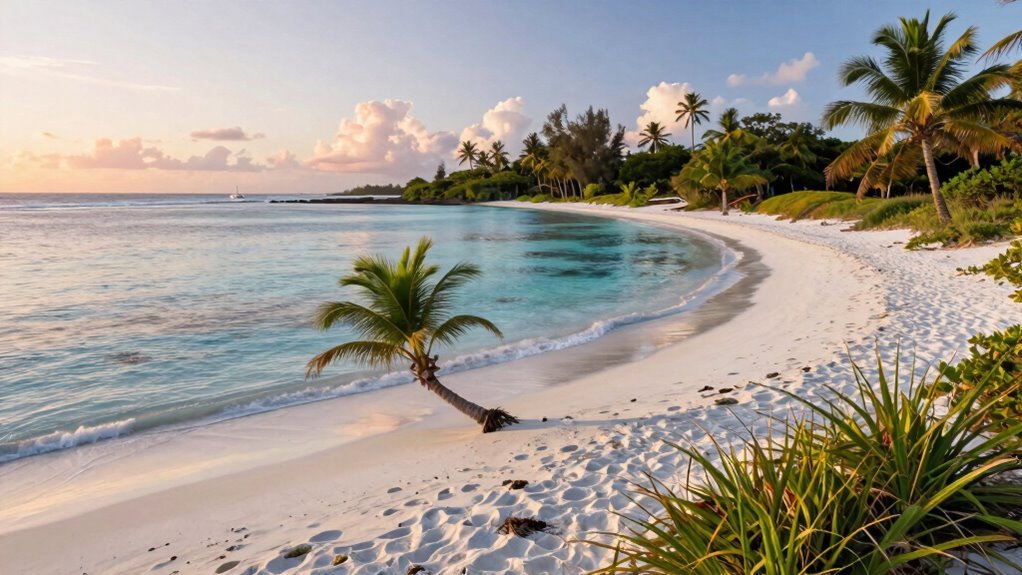
Stroll along Flic En Flac’s powdery white shore—swaying casuarinas frame long, postcard-perfect sunsets and calm lagoons invite easy snorkeling near the reef.
Then head east to Belle Mare, where wide, sun-drenched sands, crystal shallows and beachfront eateries make it ideal for morning swims and relaxed seaside lunches.
Both beaches offer contrasting vibes: Flic En Flac has a lively promenade, while Belle Mare feels like a tranquil expanse—so you can pick the mood that fits your day.
Consider also exploring nearby coastal scenery to appreciate rugged shorelines and ocean-driven climate contrasts.
Flic En Flac Highlights
If you’re craving wide golden sands and calm turquoise waters, Flic en Flac delivers: this long, palm‑lined beach on Mauritius’s west coast is perfect for swimming, snorkeling over the coral reef, and lingering sunset walks that paint the sky in molten orange.
You’ll find plenty of spots for sunset picnics, and nearby local eateries serve fresh seafood and Creole flavours to refuel after a day in the sea.
The reef shelters vibrant fish, so snorkelers of all levels enjoy easy encounters.
Walkable promenades and shady palms invite slow afternoons, while beachside vendors offer cold drinks and souvenirs.
Highlights to plan for:
- Morning snorkel near the reef
- Sunset picnic on soft sand
- Casual beachside dining at local eateries
- Strolls beneath swaying palms
Singapore is celebrated as a culinary paradise with hawker centers offering affordable, diverse local dishes, making it a great destination for food lovers.
Belle Mare Attractions
Belle Mare’s long, powdery shore unfurls like a postcard-perfect invitation to mornings of calm swimming, bright snorkeling over shallow coral gardens, and lazy afternoons beneath coconut palms.
You’ll find wide, uncrowded stretches where turquoise water laps gentle sand, ideal for sunrise strolls or paddleboarding.
Snorkelers discover vibrant fish near easily accessible reefs; glass-bottom boat trips reveal coral life without getting wet.
Upscale luxury resorts line parts of the coast, offering spa treatments, beachfront pools, and guided water sports that make relaxation effortless.
Venture into nearby villages to sample fragrant local cuisine, fresh fish curry, dholl puri, and tropical fruits at family-run eateries.
Belle Mare balances serene beach days with authentic flavors and comfortable indulgence, so you leave refreshed and inspired.
Many visitors to Mauritius also enjoy exploring pristine beaches and lush coastal scenery that mirror the natural beauty highlighted in travel guides.
Wildlife & Parks: La Vanille and Black River Gorges
Explore two of Mauritius’s richest natural havens—La Vanille Nature Park and Black River Gorges—
Explore Mauritius’s wild heart—La Vanille’s tactile conservation and Black River Gorges’ ancient, trail-laced forests.
where wildlife encounters and rugged forest trails reveal the island’s ecological heartbeat.
At La Vanille, you’ll witness tortoise conservation firsthand among Aldabra giants, Nile crocodiles
and an insectarium that hums with tropical life; it’s intimate, tactile, and unforgettable.
Then head into Black River Gorges, where ancient ebony forests, waterfalls and panoramic
lookouts reward trailside birdwatching and hiking. You’ll feel the island’s wild pulse on every step.
- Close-up conservation of giant tortoises
- Dense native forest and waterfall viewpoints
- Over 50 km of marked hiking trails
- Bird species endemic to Mauritius and photo opportunities
Both sites demand respectful, low-impact visitation.
Tea, Rum & Plantation Tours (Bois Cheri + Distilleries)
After soaking in Mauritius’s wild forests and giant tortoise encounters, head inland where rolling tea fields and swaying sugar cane tell another side of the island’s story. You’ll tour Bois Cheri’s emerald terraces, watch leaves dry and smell warm, grassy tea; the Heritage tasting pairs history with delicate cups while panoramic views calm your pace.
Nearby distilleries pulse with amber light and steam; you’ll learn sugar-to-rum craft, sample clear agricoles and aged rums, and sip estate cocktails that blend local spice and citrus. These visits connect you to colonial estates and modern artisans, offering hands-on demos, museum context, and tempting flavors. For a contrasting natural escape, consider exploring dramatic coastal cliffs and wild beaches like those along the Vicentine Coast.
Don’t miss a plantation restaurant or boutique for souvenirs that capture authentic island terroir.
| Site | Experience | Highlight |
|---|---|---|
| Bois Cheri | Factory tour | Heritage tasting |
| Rum Distillery | Guided demo | Estate cocktails |
| Plantation Cafe | Scenic lunch | Tea pairing |
Adventure Hubs: Casela, La Vallée & Diving Spots
Venture into Mauritius’s action-filled heart where Casela and La Vallée crank up the adrenaline and the island’s underwater domains reward curious divers; you’ll zip across forest canopies, walk sky-high suspension bridges, and plunge into clear waters to meet coral gardens, snake‑shaped rock formations, and abundant marine life.
You’ll feel wind and wonder on ziplines—observe strict zipline safety briefings, wear proper gear, and trust trained guides.
La Vallée’s bridges test your nerve with panoramas worth the heartbeat.
Offshore, diving spots like Rempart Serpent and La Cathédrale offer dramatic topography for underwater photography and close encounters with reef dwellers.
Plan guided dives, charge cameras in waterproof housings, and respect marine rules to protect habitats.
- Follow instructor guidance
- Check equipment thoroughly
- Use reef-safe sunscreen
- Hire certified dive operators
The experience connects adventure seekers to engineering prowess and human-made landmarks across time.
Frequently Asked Questions
Do I Need a Visa to Visit Mauritius?
You generally don’t need a visa for short tourist stays; Mauritius offers visa exemptions for many nationalities.
Check entry requirements before you go—you’ll need a valid passport, return ticket, proof of accommodation and sufficient funds.
If your country isn’t exempt, you’ll apply for a visa in advance.
Don’t risk surprises: consult your embassy or the Mauritius immigration website to confirm current visa exemptions and entry requirements for vivid, worry-free travel planning.
What Are the Best Months for Whale Watching?
About 90% of sightings happen between July and October, so you’ll want to go then. During peak season, migration timing brings humpbacks close to Mauritius’ warm shores, offering dramatic breaches and calf sightings.
Picture vast blue swells and arcing, glistening backs as boats glide nearby. You’ll get better visibility and calmer seas in these months, so plan excursions for early morning when light and whale activity align for unforgettable encounters.
Are Credit Cards Widely Accepted on the Island?
Yes you’ll find credit cards are widely accepted in Mauritius, especially in hotels, restaurants, and larger shops.
Carry cards with chip and pin and expect contactless payments for quick purchases; ATMs are common in towns but rural spots may be cash-only.
Keep some Mauritian rupees for markets, beaches, and small vendors.
Using cards feels convenient and secure, but having cash gives you freedom and peace of mind on adventures.
Is Tap Water Safe to Drink in Mauritius?
Yes, but don’t pretend it’s glacier water; Mauritius tap water’s generally treated and drinkable, yet many travelers choose bottled preference for peace of mind.
You’ll reduce risk by using basic filtration methods or a portable filter if you’re sensitive.
Picture clear island taps, but occasional pipes or local supply hiccups can cloud things; carry reusable bottles and filter gear to stay safe, hydrated, and eco-friendly.
Can I Use My Phone and Data Without a Local SIM?
Yes you can use your phone and data without a local SIM via international roaming, but it’s pricey and can drain batteries fast.
Download offline maps before you go so you’ll navigate even when signal fades.
Consider local SIMs for cheaper data, or rent a pocket Wi‑Fi.
Balance convenience and cost: keep roaming for emergencies, rely on offline maps for hikes, and top up local options for heavy use.
Conclusion
Think of Mauritius as a jeweled map you hold in your hands: each site is a bright pin you’ll press with keen fingers.
Walk Chamarel’s rainbow sands like turning a page of earth, climb Le Morne as if reaching the spine of a story, and let beaches unfurl like welcoming envelopes.
Taste rum and tea that read like local footnotes.
Follow this map and you won’t just visit—you’ll collect chapters of a tropical tale.
0 Comment